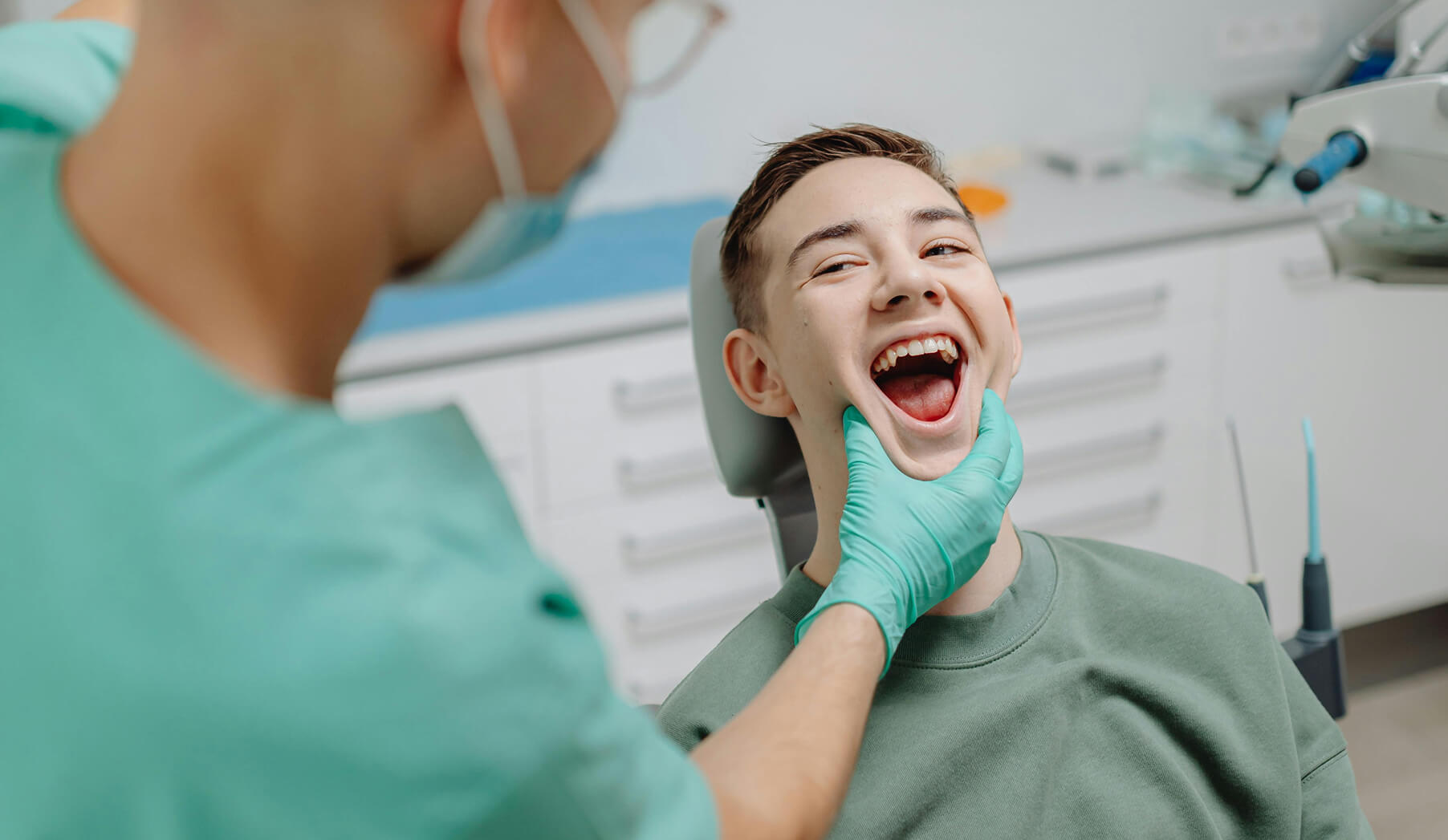

Healthy teeth begin with simple, repeatable actions. Brushing in the morning and evening helps remove plaque before it hardens, and using a soft-bristle brush prevents unnecessary wear on enamel. Many people underestimate how much pressure they use — gentle, consistent brushing is far more effective than scrubbing. Small details like rinsing after meals, choosing fluoride toothpaste, and staying hydrated help keep the mouth’s natural environment balanced throughout the day.
Nutrition and Daily Choices Shape Your Oral Microbiome
What you eat has a direct impact on your mouth. Sugary drinks, sticky snacks, and frequent grazing create the perfect conditions for bacteria to multiply. On the other hand, drinking plenty of water, choosing whole foods, and limiting sweets can dramatically reduce plaque buildup. Even habits like chewing sugar-free gum can support saliva production, which naturally protects enamel and keeps breath fresher. Everyday decisions silently shape long-term oral health.
Protecting Your Teeth Goes Beyond Brushing
Strong oral health also comes from avoiding harmful habits. Using teeth as tools — opening packages, biting nails, or chewing on pens — weakens enamel and increases the risk of chips and cracks. Regular dental checkups help catch issues early, but your daily behaviors are what keep problems from developing in the first place. A combination of awareness, small adjustments, and consistency creates a foundation for a healthier, more confident smile.

Latest Articles

Dr. Laura Johnson, PhD
How Group Coaching Builds Accountability
Stress is part of everyday life. From work deadlines to family responsibilities, many of us experience daily pressure that leaves us drained and anxious. While some stress can be motivating, unmanaged stress can take a serious toll on both mind and body — causing fatigue, sleep problems, and irritability.
The good news is that there are simple, effective practices that can make daily stress feel lighter. These don’t require huge lifestyle changes — just a few intentional moments each day.
Simple Practices That Make a Difference
One of the easiest ways to reduce stress is through mindful breathing. A few minutes of slow, controlled breathing signals the body to relax and helps clear a busy mind.
Movement is another powerful tool. Short walks, light stretching, or yoga can release physical tension and refresh energy levels. Even five minutes between tasks can help.
Taking small breaks throughout the day also prevents stress from building up. Stepping away from screens, drinking water, or even looking out of a window allows the mind to reset.
The Importance of Connection and Rest
Human connection is one of the strongest buffers against stress. Talking to a friend, sharing a laugh, or joining a supportive group can shift your perspective and reduce feelings of isolation.
Equally important is sleep. Stress often disrupts rest, but a consistent bedtime routine — such as reading, stretching, or journaling — helps the body wind down and improves the quality of sleep.
Building Consistency
Managing stress isn’t about doing everything perfectly; it’s about consistency. Choosing just one small practice and repeating it daily can have a lasting impact. Over time, these habits build resilience and create space for balance.
If stress feels overwhelming, professional support is always an option. Therapists, coaches, and healthcare specialists can provide personalized guidance and techniques tailored to your needs.

Dr. Jane Smith, DDS
Morning Rituals That Boost Energy
Mornings set the tone for your entire day. The right ritual can shift your mood, sharpen your focus, and increase your physical and mental energy levels. This demo article explores simple, science-aligned habits you can integrate into any routine.
1. Hydrate Within the First 10 Minutes
After 6–8 hours of sleep, your body wakes up slightly dehydrated.
Drinking a full glass of water helps:
Re-activate metabolism
Support cognitive clarity
Reduce grogginess
Pro tip: Add a squeeze of lemon for extra freshness.
2. Get 2–5 Minutes of Natural Light
Sunlight is your biological “ON” button. Morning exposure helps regulate circadian rhythm and signals your body to increase energy-producing hormones.
Try:
Opening your blinds immediately
Stepping outside for 2 minutes
Standing by a window during morning coffee
3. Light Movement or Stretching
You don’t need a workout — just gentle activation.
Benefits:
Increased blood flow
Reduced muscle stiffness
Better mood thanks to serotonin release
Quick ideas: 10× air squats, 1-minute stretching, a short walk.
4. Cold Splash or Quick Cold Shower
Cold exposure stimulates alertness and can immediately boost mental energy.
Choose your version:
Splash cold water on your face
10–20 seconds of cold at the end of the shower
Full cold shower (if you're brave)
5. Protein-Forward Breakfast (Optional)
A balanced breakfast can stabilize energy for the first half of the day.
Good choices:
Greek yogurt + berries
Eggs + avocado
Protein smoothie
If you skip breakfast, aim for water + light movement first.
6. Plan Your Day in Three Priorities
Instead of a long to-do list, pick the 3 tasks that matter most.
This increases:
Focus
Momentum
Sense of control
Write them in a notebook or use your phone’s notes app.
7. Avoid the Scroll Trap
Checking social media or emails first thing spikes stress hormones.
Give yourself at least 15 minutes phone-free after waking up.
Boosting your morning energy doesn’t require complicated routines — just small, consistent actions. Start with one ritual, make it stick, then add another. Your future self will thank you.
Dr. Mark Lee, PT
Daily Habits for Better Oral Health
Healthy teeth begin with simple, repeatable actions. Brushing in the morning and evening helps remove plaque before it hardens, and using a soft-bristle brush prevents unnecessary wear on enamel. Many people underestimate how much pressure they use — gentle, consistent brushing is far more effective than scrubbing. Small details like rinsing after meals, choosing fluoride toothpaste, and staying hydrated help keep the mouth’s natural environment balanced throughout the day.
Nutrition and Daily Choices Shape Your Oral Microbiome
What you eat has a direct impact on your mouth. Sugary drinks, sticky snacks, and frequent grazing create the perfect conditions for bacteria to multiply. On the other hand, drinking plenty of water, choosing whole foods, and limiting sweets can dramatically reduce plaque buildup. Even habits like chewing sugar-free gum can support saliva production, which naturally protects enamel and keeps breath fresher. Everyday decisions silently shape long-term oral health.
Protecting Your Teeth Goes Beyond Brushing
Strong oral health also comes from avoiding harmful habits. Using teeth as tools — opening packages, biting nails, or chewing on pens — weakens enamel and increases the risk of chips and cracks. Regular dental checkups help catch issues early, but your daily behaviors are what keep problems from developing in the first place. A combination of awareness, small adjustments, and consistency creates a foundation for a healthier, more confident smile.
